Stones, Stories, & Stars - INDIGENOUS SCIENCE NIGHT - OCTOBER 16, 2026
INDIGENOUS SCIENCE NIGHT - OCTOBER 16, 2026

Stones, Stories, & Stars

EXPERIENCE ASTRONOMY FROM THE STONE ANCESTORS

WHAT

Indigenous astronomy, storytelling, telescope viewing, planetarium experiences, and cultural knowledge shared by Elders, Knowledge Keepers, and Indigenous scientists.

WHEN

October 16, 2026
5:00 PM - 10:00 PM

COST

FNMI: Free
Adults: $10
Children: $5

AGES

All Ages Welcome

Family-friendly experiences for children, youth, and adults.

Where Indigenous Knowledge Meets the Cosmos

Experience an immersive Indigenous Astronomy Night featuring stone circles, planetarium experiences, telescope viewing, storytelling, and hands-on activities for all ages.

Join Elders, Knowledge Keepers, astronomers, and Indigenous scientists as they explore the connections between the land, the sky, and knowledge carried across generations.

From star stories and telescope observations to creative activities and community conversations, this event offers multiple ways to experience Indigenous science, astronomy, and cultural knowledge.

EXPERIENCE STAR SCIENCE

  • KIDS ACTIVITIES

Kosmic Kreative Kids Korner

What was your first memory with the stars? What stars, constellations, or planets are your favourite? Did you know the stars in constellations are different distances from earth?

Kids of all ages are welcome to create a “Kosmic Craft” with the Discover the Universe team, a group of astronomers bringing the cosmos to kids.

  • SENSORY EXPERIENCE

Dark Space

When was the last time you learned from the DARK? Without artificial light or screens? What did you see, or didn’t see? What showed itself to you? Were your other senses heightened?

Re-connect with the dark and all it can teach us with MIT Post-Doc Diné Navajo Astrophysicist Dr. Alvin D. Harvey. Experience what the ancestors saw in the night sky thousands of years ago, from the brightness of the milky way to the excess of stars currently clouded by pollution, satellites, space junk, and artificial light.

  • STONES & LASERS WITH ELDERS

Star Mapping

Come create a star map with giant stones as markers, lasers or strings for alignments, throw in some moving cosmic points for fun, and experience how the Ancestors of Turtle Island DID astronomy thousands of years ago. There will also be some help from local Knowledge Keepers and Indigenous Scientists to guide you with knowledges of ancient trigonometry, observation points, weather and refraction, and prompt conversations about why these alignments were so important and how they connect with cultural stories.

  • TELESCOPE TOURS

Explore the Night Sky

Have you ever looked through a telescope? Seen the rings of Saturn, the craters of the moon, or the moons of Jupiter? Come hang out with Rob Cardinal (Blackfoot Astrophysicist), Dr. Phil Langill, and the Rothney Observatory, to look through different telescopes and see what you can see in the Autumn sky!

  • UNIQUE INDIGENOUS GIFTS

MOONLIGHT MARKET

Prepare for the upcoming Winter Solstice and Holiday Gatherings at the Moonlight Market!

Support local Indigenous artists, businesses, and artists, purchase unique gifts, all while learning about the science of their art and connection to land and stories.

If you want to be a vendor: email [email protected]

IMMERSE YOURSELF IN PLANETARIUMS

Wilfred Buck's Star Stories

This 360 dome experience brings to life four star stories, gathered and told by renowned Ininew (Cree) astronomer/star knowledge expert and author Wilfred Buck.

From the practical to the poetic, these “tellings” of the Northern night sky provide guidance on navigation, the earth’s cycles, and how to live a good life with future generations in mind. WILFRED BUCK’S STAR STORIES offers a rarely-heard perspective on astronomy and cosmology.

Watch Trailer

Blackfoot Star Science

Did you know there are ancient Blackfoot Stories about Sagittarius A*, the blackhole in the centre of our galaxy? Reconnect with familiar constellations like Orion or the Big Dipper, but through their connections with these lands and told through Blackfoot stories and sciences. Learn how to use accessible apps to navigate around the world and through time to learn about how people from different lands told their stories of the stars.

Cree Star Science

Did you know the little dipper or Perseus constellations have different names and stories depending on which land and community they are connected with? Come learn about the dog stars, the sturgeon, and more as told through Cree Stories! Learn how to use accessible apps to navigate around the world and through time to learn about how people from different lands told their stories of the stars.

Knowledge Keepers, Scientists & Storytellers

  • Learn more about the speakers, researchers, Knowledge Keepers, and community voices sharing their perspectives throughout the evening.
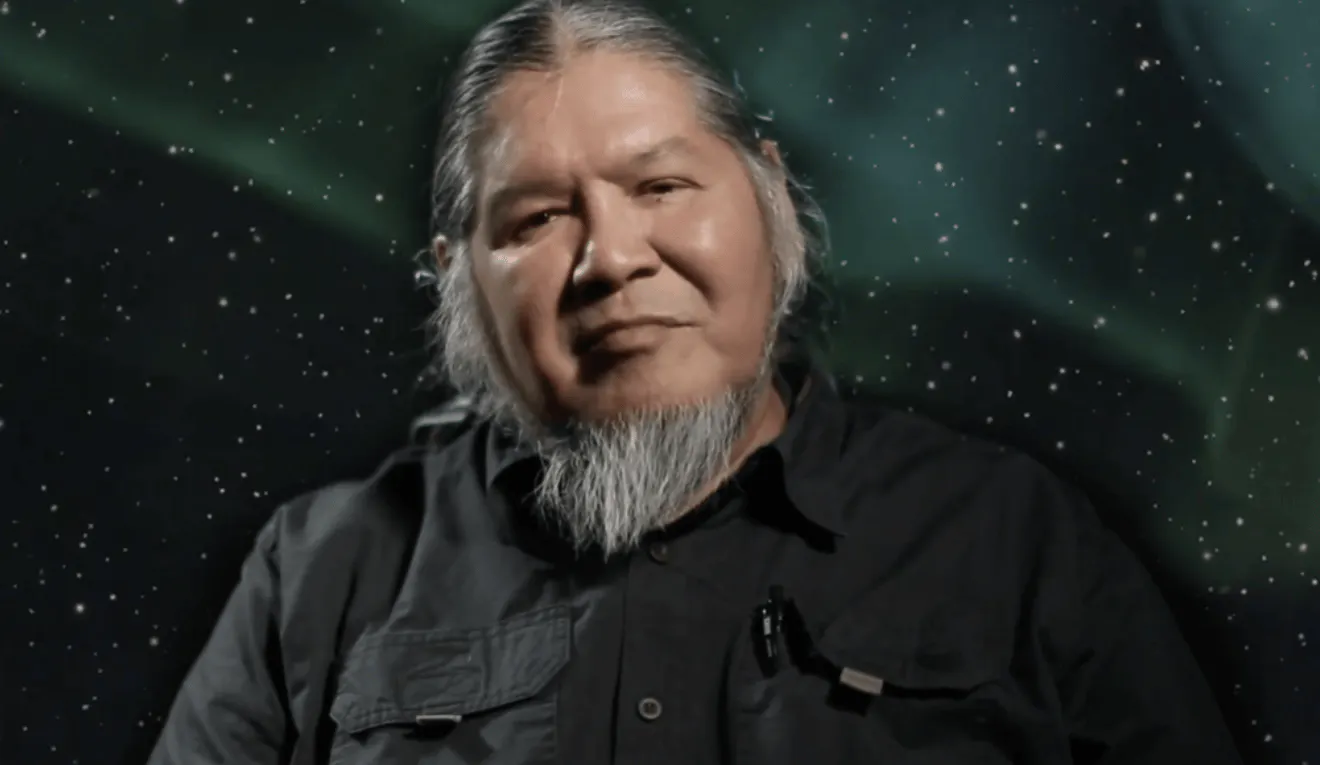
    • Alvin D. Harvey

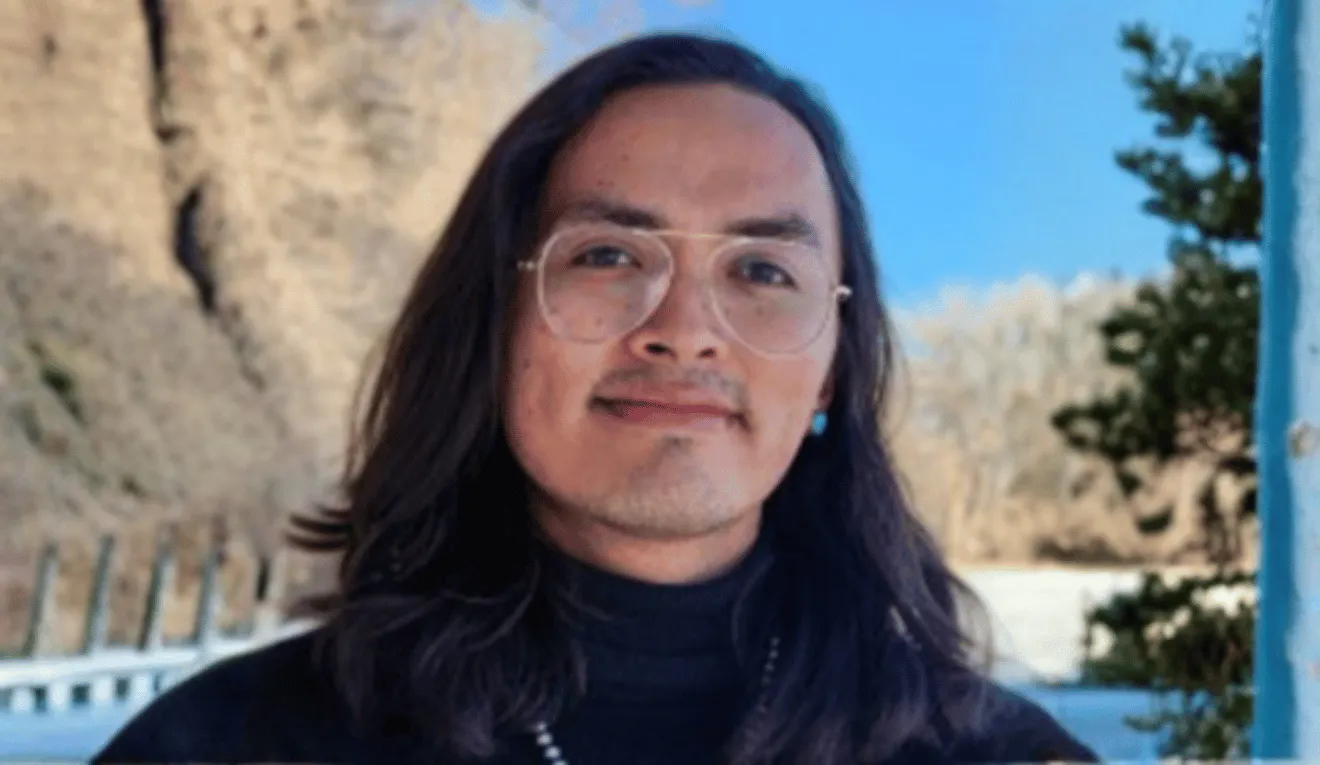
      Shí éí Alvin Harvey yinishyé. Tó baazhni’ázhi nishłį́. Honágháahnii bashishchiin. Dághaałchííʼ dashicheii. Kiyaa’áanii dashinalí.

      I am Diné, of the Two Who Came To the Water Clan and I am born for the One Walks Around Clan; my maternal grandfather is of Irish descent and my paternal grandfather is of the Towering House Clan.

      I am from the Navajo Nation, and currently reside in Cambridge, MA as a Postdoctoral Fellow in Aeronautics and Astronautics in the MIT Media Lab. My research and development  centers Indigenous relationality and systems theory as a core structure of developing partnerships, systems, and good ways of being.

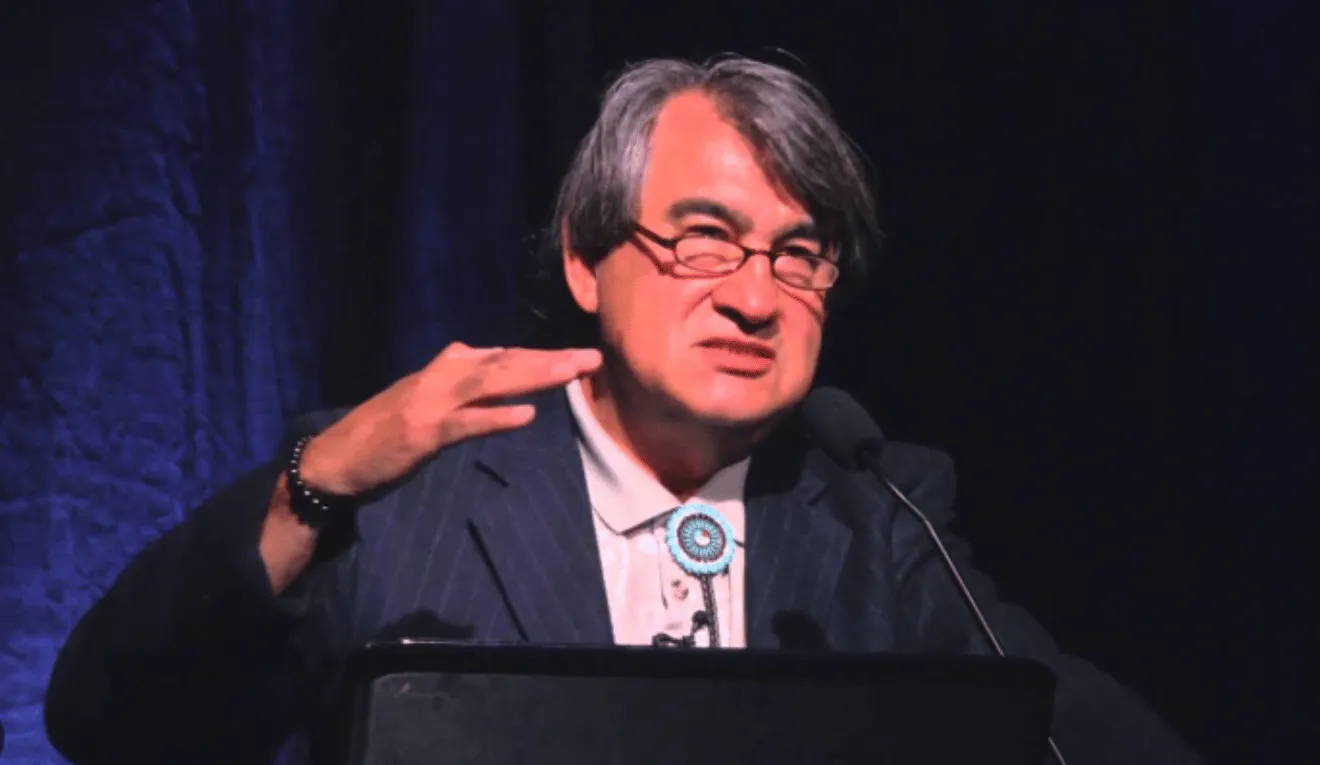
    • Greg Cajete

      Greg Cajete is a Tewa Indian from Santa Clara Pueblo, New Mexico. He is Former Director of Native American Studies and an Emeritus Professor in the Division of Language, Literacy, and Sociocultural Studies in the College of Education at the University of New Mexico. He holds a Ph.D. from International College – Los Angeles New Philosophy Program in Social Science Education with an emphasis in Native American Studies. He has served as a New Mexico Humanities scholar in ethnobotany of Northern New Mexico and as a member of the New Mexico Arts Commission. Dr. Cajete has authored five books, including Ignite the Sparkle: An Indigenous Science Education Curriculum Model and The Spirit of the Game: Wellspring for Indigenous Renewal.

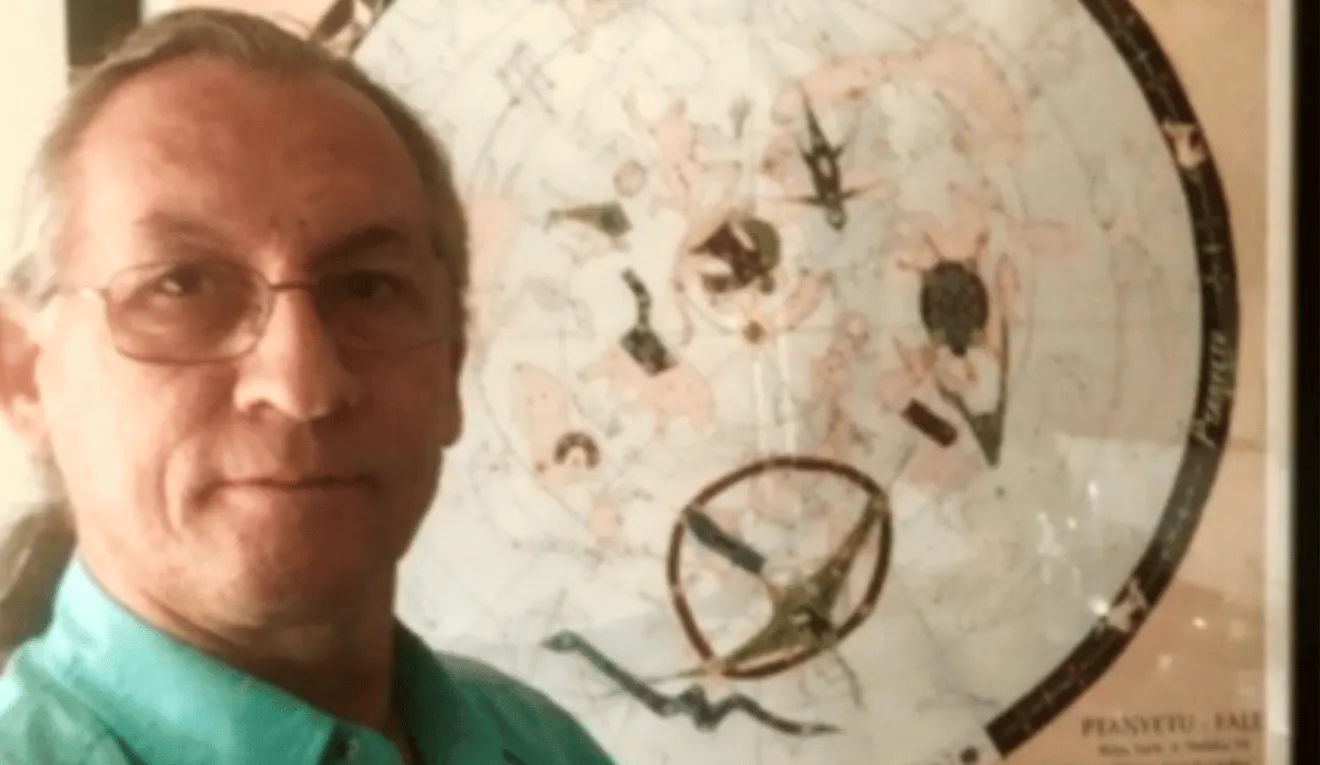
    • Jim Rock

      Jim Rock is a Dakota astronomer, physicist, and retired Director of Indigenous Programming for the Marshall W. Alworth Planetarium and Instructor in the Department of Physics and Astronomy at the University of Minnesota Duluth. Jim currently presents at and consults with the University of Minnesota Twin Cities Bell Museum & Planetarium and the Astrophysics and Computer Science Departments.

      Rock’s goal is to “Indigenize and Digitize the Skies,” and has done so by numerous online videos, taught various ethno and archaeoastronomy courses, written many books (such as the D(L)akota Star Map Constellation Guide), and designed exhibits for the Science Museum of Minnesota. In partnership with AISES, he designed and taught a curriculum for fifteen years at the University of Minnesota’s Indigenous Summer Science & Math Program called Andogiikendassowin/Wasdodyawaciŋpi (“Seek To Know”). He has been an activist, consultant, instructor, interpreter and author on sacred sites restoration issues for Wakaŋ Tipi Awaŋyaŋkapi Center & Cave https://www.wakantipi.org/wakantipicenter at the Bruce Vento Nature Sanctuary (former Lower Phalen Creek Project) in St. Paul. Most importantly he is grandfather to two Indigenous “skywatchers” who are learning to love and pass on the ways and languages of their many nations, ancestors and relatives.

    • Laurie Rousseau-Nepton

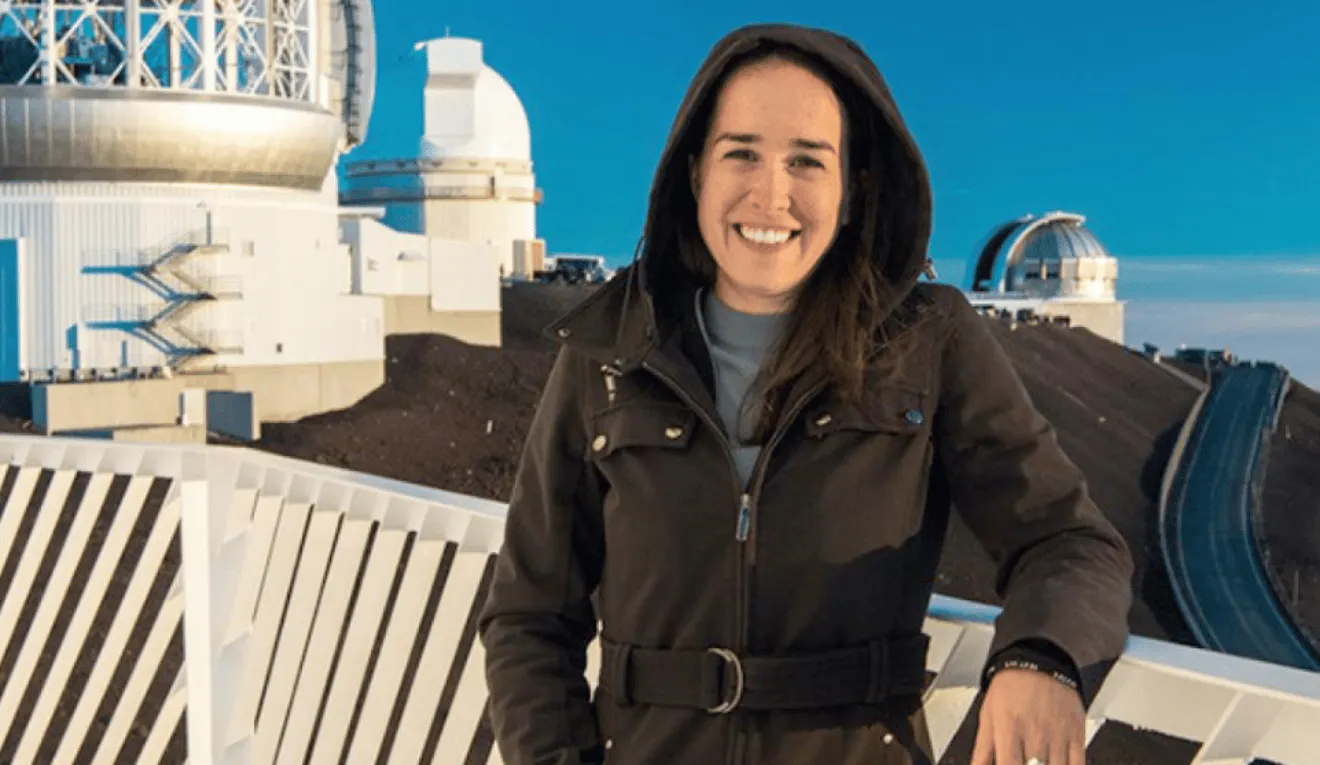
      Laurie Rousseau-Nepton is an Innu astrophysicist and a member of the Pekuakamiulnuatsh community. After earning her PhD from Université Laval in Québec, she spent seven years as a resident astronomer at the Canada-France-Hawaii Telescope in Hawaiʻi.

      She is now based at the University of Toronto and the Dunlap Institute for Astronomy & Astrophysics. Her research focuses on the formation of stars in galaxies, the development of advanced telescope instrumentation, and, more recently, the study of ancestral sites and their connections to the cosmos.

      She is dedicated to advancing new approaches to astronomy education that center Indigenous knowledge systems and land-based practices as core elements of the learning process.

    • Wilfred Buck


      Wilfred Buck is a member of the Opaskwayak Cree Nation. He obtained his B.Ed. & Post Bacc. from the University of Manitoba.

      As an educator Wilfred has had the opportunity and good fortune to travel to South and Central America as well as Europe and met, shared and listened to Indigenous people from all over the world.

      He is a husband, father of four, son, uncle, brother, nephew, story-teller, mad scientist, teacher, singer, pipe-carrier, sweat lodge keeper, old person and sun dance leader.

      Researching Ininew star stories Wilfred found a host of information which had to be interpreted and analyzed to identify if the stories were referring to the stars. The journey began… The easiest way to go about doing this, he was told, was to look up. 

      “The greatest teaching that was ever given to me, other than my wife and children, is the ability to see the humor in the world”…Wilfred Buck

Come see SUE. Support science while you're at it.

TELUS Spark Science Centre is a registered educational charity. Every ticket helps fund science education and programming for Calgarians of all ages.

Buy Tickets Become a Member